
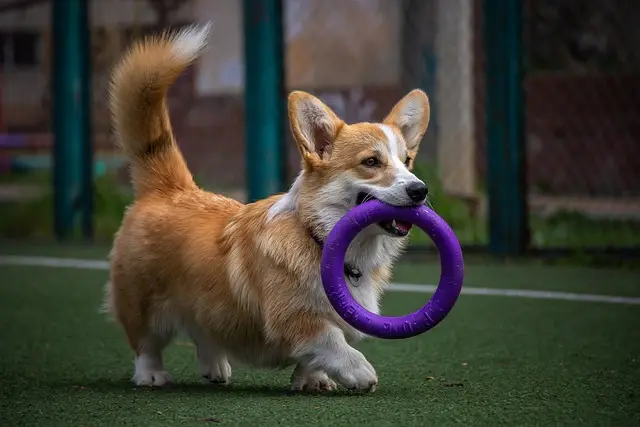
Understanding Why Regular Dog Walks Boost Happiness
If you’re a dog owner in Market Harborough, you already know your furry friend needs exercise — but have you ever stopped and wondered why regular walks make such a dramatic difference in their happiness? The answer is simple: walks aren’t just a physical activity. They provide mental stimulation, social enrichment, and emotional bonding opportunities… all rolled into one.
The Vital Role of Physical Exercise
Dogs thrive on movement. Their minds and bodies are built to explore, sniff, trot, chase, and navigate the world. Regular walks help release pent-up energy, which reduces stress and keeps your dog well-balanced and calm at home.
Mental Stimulation From the Outside World
Every walk introduces new scents, sounds, and sights. This sensory richness is as exciting for dogs as a new Netflix series is for us—only better. It keeps their brains sharp and their spirits lifted.

1. Your Dog Shows More Relaxed Body Language
A happy, well-walked dog carries themselves differently.
Signs of Reduced Stress
After consistent walking, you may see:
- A loose, soft tail wag
- A relaxed jaw rather than tight panting
- Smooth, confident movement
- A calm demeanour at home
These subtle cues show your dog feels less anxious and more mentally satisfied.
2. Improved Appetite and Enthusiasm Around Mealtimes
A dog getting regular exercise tends to eat better.
How Exercise Affects Digestion
Movement naturally stimulates digestion, encourages healthy metabolism, and heightens excitement around meals. If your dog suddenly seems more enthusiastic at breakfast or dinner, it’s often a sign walks are doing their job.
3. Better Sleep Patterns and Deeper Rest
A dog who gets enough physical and mental exercise sleeps more soundly.
How Walks Regulate Energy Levels
Regular walking helps:
- Reduce restlessness at night
- Prevent pacing, whining, or boredom-driven wakeups
- Promote long, restorative sleep
Happy dogs sleep well — just like humans.

4. Positive Changes in Social Behaviour
A regular walking routine boosts confidence and reduces reactivity.
Friendlier Interactions With People and Dogs
Daily exposure to the outside world helps dogs become more comfortable around strangers, cyclists, children, other dogs, and the everyday bustle of Market Harborough’s streets and parks. Ask me for specific tips on this.
5. A Noticeable Reduction in Destructive Behaviours
Chewing your shoes? Digging up the garden? Shredding the post?
Why Boredom Leads to Bad Habits
Most destructive behaviours stem from boredom and under-stimulation. Consistent walks reduce these tendencies dramatically because your dog finally has healthy outlets for their energy.
6. Increased Responsiveness to Training
Ever notice how your dog listens better after a walk?
Exercise and Mental Sharpness
Walks activate the brain, sharpen focus, and improve impulse control. A dog who’s been on regular walks often learns commands faster and responds more reliably.
7. Tail-Wagging Excitement When It’s Time for Walks
Few things are as heart-warming as a dog who “dances” with joy when you reach for the lead.
Anticipatory Behaviour Explained
When your dog remembers walks as fun, energising, and fulfilling, they develop positive associations — resulting in eager anticipation every single day.
8. Healthier Weight and Increased Stamina
Just like humans, dogs benefit from consistent cardiovascular exercise.
Long-Term Wellness Benefits
Regular walking can help prevent:
- Obesity
- Joint stiffness
- Low energy levels
- Cardiovascular issues
A happier dog is often a healthier dog — and the transformation can be remarkable.
9. More Confidence in New Environments
Does your dog seem braver lately?
Exposure and Socialisation on Walks
Walking helps dogs gain confidence by encountering:
- New smells
- Different terrains
- Varying sounds
- New faces
This boosts resilience and reduces fear-based behaviours.

10. Stronger Bond Between You and Your Dog
Perhaps the greatest sign of all.
Trust, Routine, and Emotional Connection
Dogs absolutely thrive on routine. When walks become a consistent part of their day, they feel safe, supported, and connected to you or their dog walker. It deepens trust and strengthens your relationship.
FAQs About Regular Dog Walks
1. How often should my dog be walked?
Most dogs benefit from at least one daily walk, but active breeds often require two or more.
2. How long should each walk be?
That depends on age, breed, and health, but 30–60 minutes is a great guideline.
3. Is hiring a professional dog walker worth it?
Absolutely — especially if you work long hours or have a busy schedule. A professional keeps your dog mentally and physically fulfilled.
4. Do regular walks help with anxiety?
Yes. Exercise and stimulation reduce stress and pent-up tension.
5. Can older dogs benefit from walks?
Older dogs often become more mobile and energetic with gentle, consistent walking.
6. What’s the best time of day for a walk?
Morning walks help set the tone for the day, but any consistent routine is beneficial.
Conclusion
Regular walks bring out the very best in dogs — physically, mentally, and emotionally. If you’ve noticed these signs, congratulations! Your dog is thriving. And if you ever need help keeping up with a consistent walking schedule, hiring a professional dog walker in Market Harborough can make all the difference.
Lets start the converation now – let me know what you need here…